
Structured Culinary Education
We built this program over years of teaching professionals who wanted to move past basic cooking into actual technique work. The curriculum progresses through three levels, each one introducing methods that need what came before. Students work with real ingredients, practice until the movements feel automatic, and learn to troubleshoot when things don't go as planned. The structure is intentional because culinary skills build on each other in ways that can't be rushed.
Three Levels of Technique
Each level introduces a distinct set of skills. Foundation work focuses on knife control and heat management. Intermediate sessions cover sauce construction and protein handling. Advanced modules tackle multi-element plating and time management under pressure. Students progress when they demonstrate consistent execution, not when time runs out.
Foundation Methods
The first 12 weeks focus on building control. Students learn to hold a knife properly, maintain consistent cuts, and understand how heat moves through different materials. These aren't flashy skills, but everything else depends on them.
- Blade control and cutting precision
- Pan temperature management
- Stock reduction and flavor concentration
- Mise en place organization
- Basic emulsification techniques
Intermediate Execution
Once foundation skills are solid, we introduce protein work and sauce construction. This level requires understanding how timing affects texture, how to adjust seasoning in stages, and how to manage multiple cooking processes simultaneously.
- Protein cooking and carryover heat
- Mother sauce variations and derivatives
- Vegetable preparation and preservation
- Flavor layering and balance
- Kitchen equipment mastery
Advanced Composition
The final level brings everything together into complete dishes. Students work on timing multiple components, plating with intention, and making quick decisions when something doesn't go according to plan. This is where technique becomes practical cooking.
- Multi-component dish assembly
- Plating techniques and visual composition
- Menu planning and cost calculation
- Pressure cooking and service simulation
- Troubleshooting and adaptation
Instructors Who Actually Cook
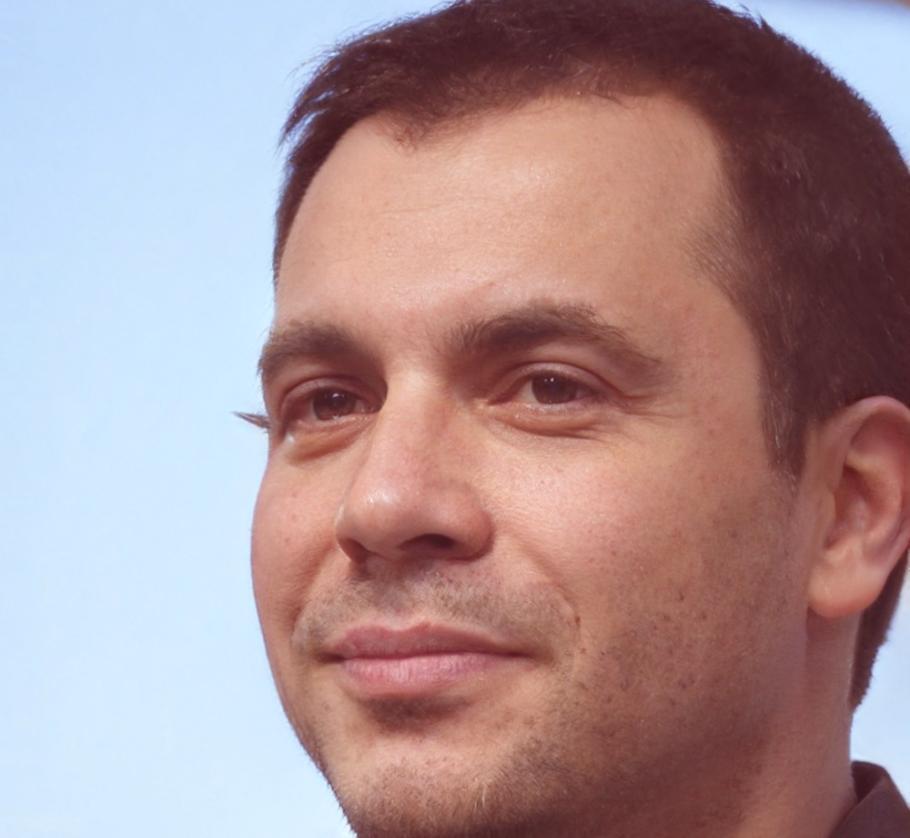
Bjorn Lindqvist
Lead Instructor, Advanced Techniques
Bjorn spent 14 years in professional kitchens before shifting to teaching. He ran the protein station at two restaurants that demanded consistent precision during high-volume service. His approach focuses on repetition and small corrections until students stop thinking about what their hands are doing.
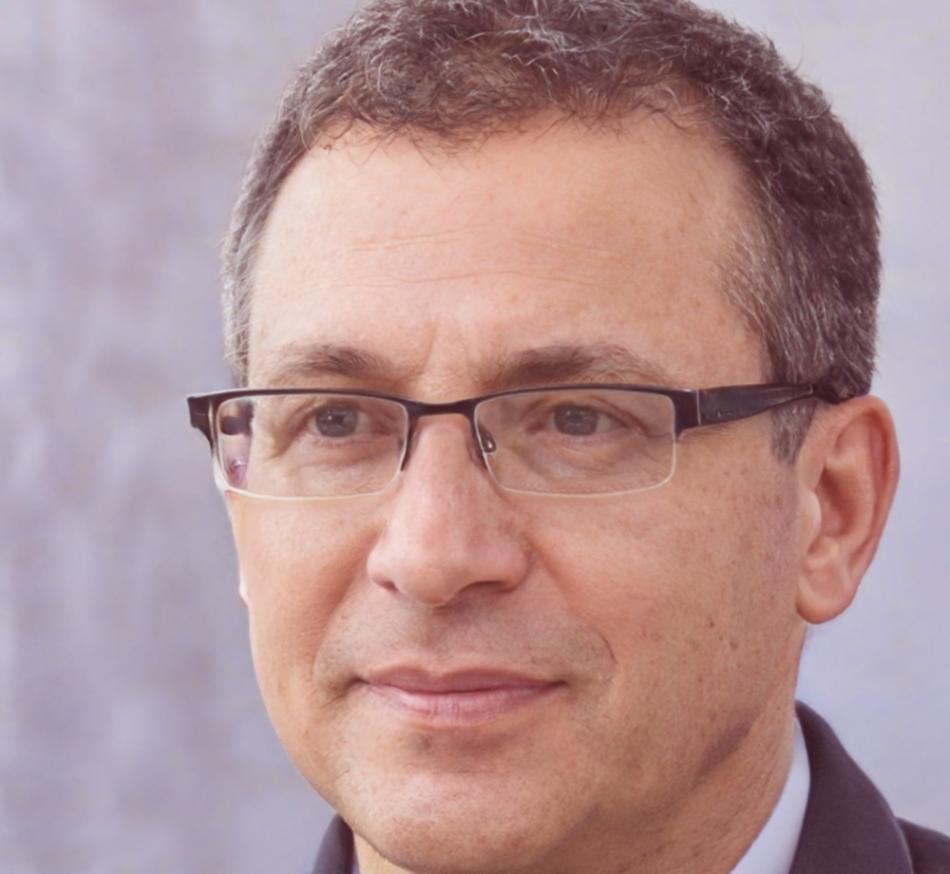
Gregor Vasylenko
Foundation Skills Instructor
Gregor teaches knife work and basic preparations. He worked in production kitchens where speed mattered, but only if the cuts were uniform. His classes are methodical and he catches mistakes early before they become habits. Students sometimes find the pace slow until they realize how much cleaner their prep becomes.